How To Choose Storage Bins The Ultimate Selection Guide
Introduction
Selecting the right storage bin is one of the most important decisions in warehouse management, manufacturing operations, inventory control, and material handling. The right storage system helps improve organization, maximize space utilization, reduce product damage, and increase operational efficiency.
However, many businesses choose storage bins based only on price or appearance, which often leads to overcrowded storage areas, damaged inventory, wasted space, and inefficient workflows.
This guide will help you understand how to choose storage bins that match your operational requirements and support long-term productivity.
Why Choosing The Right Storage Bin Matters
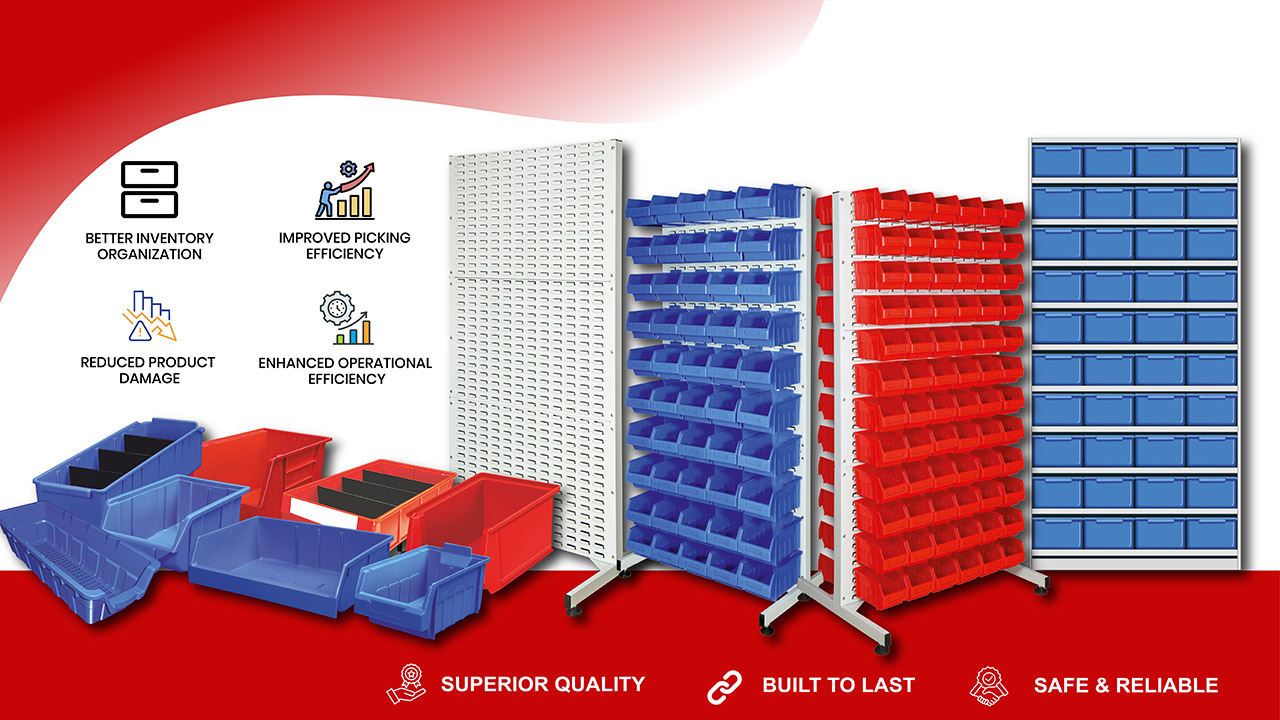
Storage bins are more than simple containers. They play a direct role in:
- Inventory organization
- Material handling efficiency
- Picking and packing speed
- Product protection
- Warehouse space utilization
- Workplace safety
- Operational productivity
A properly selected storage bin system can significantly reduce search time, improve stock visibility, and support smoother warehouse operations.
Step 1: Understand What You Need To Store
The first step is identifying the items that will be stored inside the bins.
Consider:
Product Size
Ask yourself:
- Are the items small components?
- Medium-sized spare parts?
- Large industrial products?
The dimensions of the stored product will determine the ideal bin size.
Product Weight
Heavy-duty items require stronger bins with higher load-bearing capacity.
Step 2: Select The Correct Bin Size
One of the biggest warehouse storage mistakes is using the wrong bin size.
Problems With Oversized Bins
- Wasted storage space
- Inventory mixing
- Difficult stock counting
- Reduced storage density
Problems With Undersized Bins
- Product overflow
- Damaged inventory
- Poor accessibility
- Frequent replenishment
Best Practice
Choose a bin that provides:
- Enough space for inventory
- Easy access for picking
- Room for future stock variation
The goal is maximizing storage efficiency without wasting space.
Step 3: Consider Load Capacity
Every storage bin has a load-bearing limit.
Before purchasing, determine:
- Maximum product weight
- Daily handling frequency
- Storage method
For heavy industrial applications, bins should withstand:
- Repeated loading
- Frequent movement
- Long-term usage
High-quality industrial storage bins manufactured from durable polypropylene often provide better impact resistance and longer service life.
Step 4: Evaluate The Storage Environment
The working environment greatly influences the type of storage bin required.
Manufacturing Facilities
Require:
- Heavy-duty construction
- Impact resistance
- Long service life
Warehouses
Require:
- Stackability
- Easy identification
- Efficient picking access
Pharmaceutical Industry
Require:
- Clean storage systems
- Easy maintenance
- Organized inventory control
Electronics Industry
Require:
- ESD-safe storage solutions
- Static protection
- Component organization
Step 5: Determine Whether Stackability Is Required
Stackable bins help maximize vertical storage space.
Benefits include:
- Better warehouse utilization
- Reduced floor space requirements
- Organized inventory storage
- Improved accessibility
Ideal for:
- Warehouses
- Manufacturing plants
- Distribution centers
- Spare parts storage
Features to look for:
- Stable stacking design
- Reinforced base
- Anti-slip stacking support
Step 6: Check Accessibility Requirements
Storage bins should provide easy access to stored materials.
Questions to consider:
Will workers frequently pick items?
If yes:
Choose open-front bins.
Will bins be placed on shelving?
If yes:
Select Panda bins compatible with shelving systems.
Will products need visual identification?
If yes:
Choose bins with:
- Label holders
- Card slots
- Transparent fronts where applicable
Easy accessibility improves picking efficiency and reduces operational delays.
Step 7: Choose The Right Bin Material
Storage bins are commonly available in plastic and metal variants.
Plastic Storage Bins
Advantages:
- Lightweight
- Rust-free
- Easy to clean
- Durable
- Cost-effective
- Corrosion resistant
Ideal for:
- Warehouses
- Manufacturing
- Automotive
- Pharmaceutical
- Electronics industries
Metal Storage Bins
Advantages:
- Extremely high load capacity
Limitations:
- Heavier
- Prone to corrosion
- Higher maintenance costs
For most industrial storage applications, high-quality plastic storage bins offer the best balance between durability, functionality, and cost.
Step 8: Consider Inventory Identification
A storage system should make inventory easy to identify.
Look for bins with:
- Label holders
- Barcode compatibility
- Color coding options
- Identification cards
Benefits:
- Faster picking
- Better inventory accuracy
- Reduced search time
- Improved warehouse productivity
Step 9: Plan For Future Growth
Many businesses purchase storage bins based only on current requirements.
This often becomes a problem when inventory grows.
Before purchasing, consider:
- Future SKU additions
- Warehouse expansion
- Increased inventory volume
- New product categories
Choosing a scalable storage system helps avoid costly replacements later.
Step 10: Match Bins With Storage Infrastructure
Storage bins should integrate seamlessly with existing storage systems.
Examples include:
Louvre Panels
Suitable for:
- Small parts organization
- Workshop storage
- Tool storage
Shelving Systems
Suitable for:
- Inventory management
- Warehousing
- Spare parts storage
Mobile Storage Units
Suitable for:
- Manufacturing operations
- Assembly lines
- Maintenance departments
A compatible storage solution improves workflow efficiency.
Common Storage Bin Types And Applications
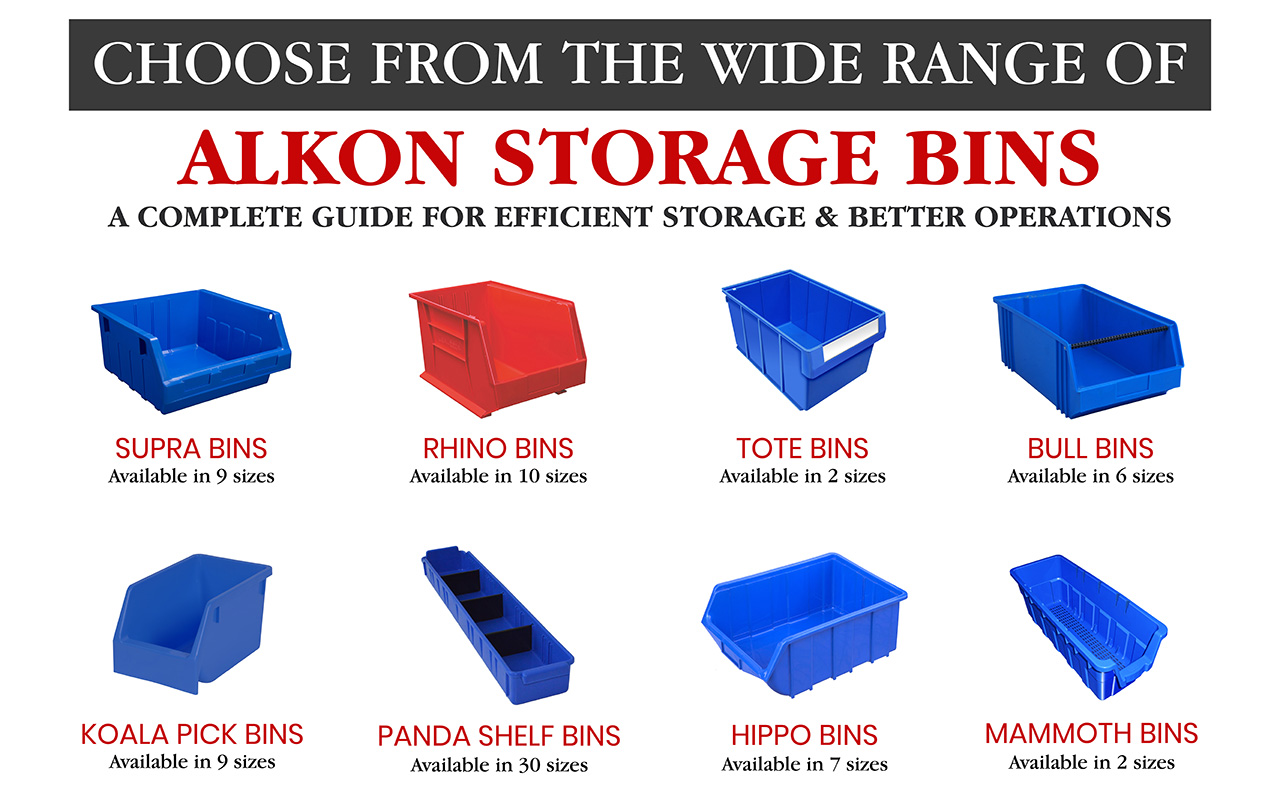
Material Handling Bins
Best For:
- Manufacturing
- Warehousing
- Logistics
- Industrial storage
Features:
- Heavy-duty construction
- Stackable design
- Large storage capacity
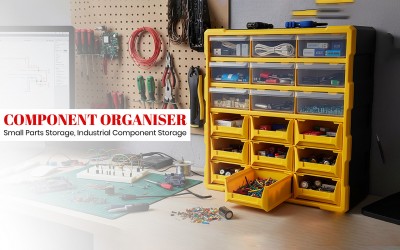
Component Organizers
Best For:
- Small parts storage
- Fasteners
- Hardware
- Electronic components
Features:
- Multiple compartments
- Drawer systems
- Easy identification
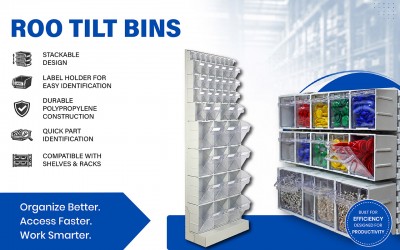
Tilt Bins
Best For:
- Fast-moving inventory
- Production floors
- Assembly stations
Features:
- Quick access
- Space-saving design
- Organized storage
Shelf Bins
Best For:
- Warehouse shelving
- Spare parts storage
- Inventory organization
Features:
- Easy picking
- Structured storage
- Better stock visibility
Storage Bin Selection Checklist
Before purchasing, confirm the following:
- ✅ Product dimensions measured
- ✅ Product weight identified
- ✅ Storage environment evaluated
- ✅ Stackability requirement determined
- ✅ Accessibility requirements defined
- ✅ Proper material selected
- ✅ Labelling system planned
- ✅ Future expansion considered
- ✅ Compatible with existing storage infrastructure
- ✅ Load capacity verified
Benefits Of Choosing The Right Storage Bin
The right storage solution delivers:
- Better inventory organization
- Faster picking operations
- Reduced product damage
- Improved warehouse efficiency
- Better space utilization
- Enhanced workplace productivity
- Lower operational costs
- Improved stock visibility
Conclusion
Choosing storage bins is not simply about finding a container to hold products. It is about creating an organized, efficient, and scalable storage system that supports daily operations and future growth.
By evaluating product dimensions, load capacity, storage environment, accessibility requirements, and warehouse infrastructure, businesses can select storage bins that improve productivity while reducing storage challenges.
Whether you operate a warehouse, manufacturing facility, automotive workshop, pharmaceutical unit, or logistics centre, investing in the right storage bins helps create a more organized and efficient workplace.