Common Warehouse Storage Mistakes And How To Avoid Them

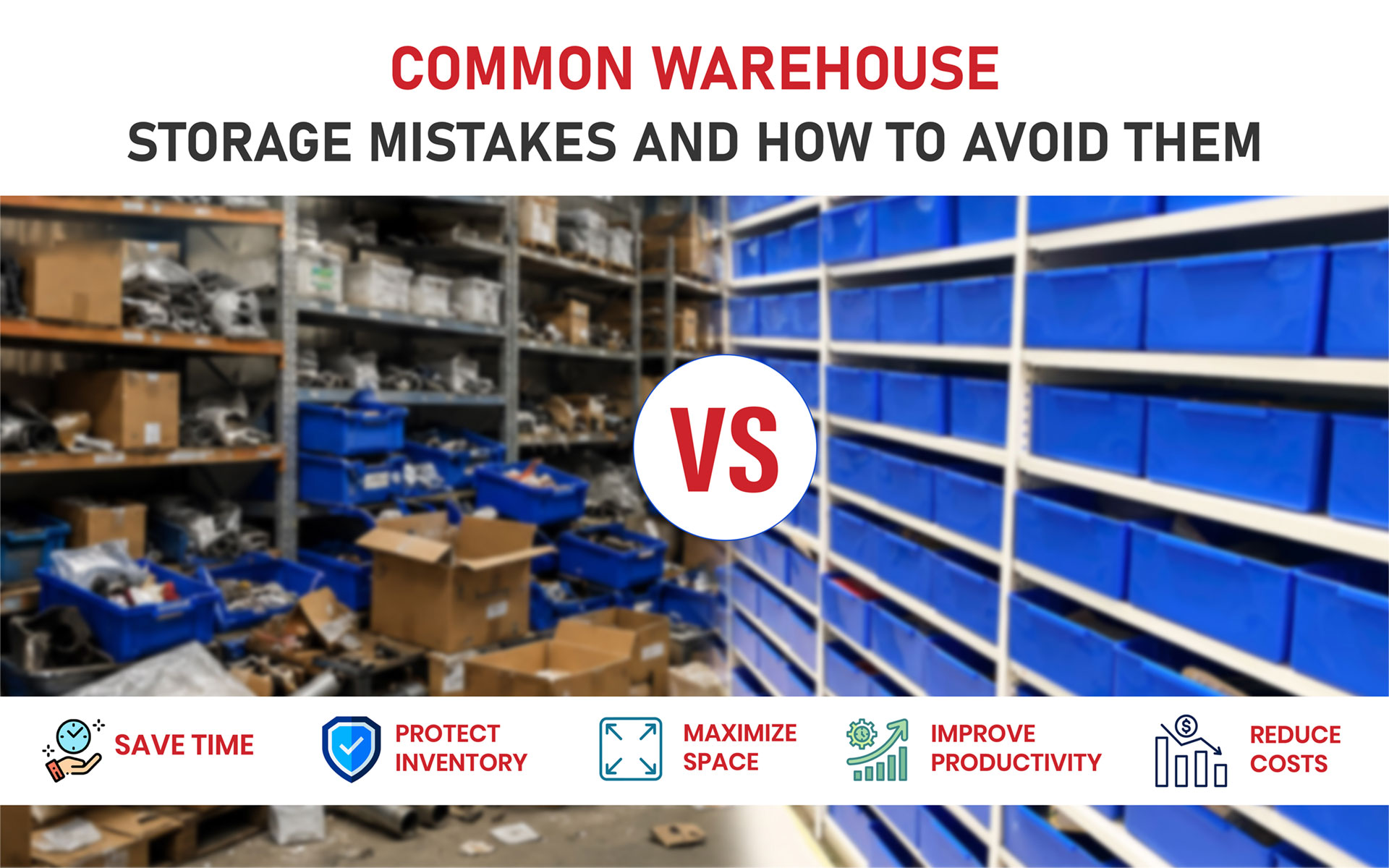
Efficient warehouse storage plays a major role in improving productivity, reducing operational delays, and maintaining workplace organization. However, many warehouses continue to struggle with poor storage systems, cluttered inventory, damaged products, and wasted floor space.
Even a well-managed warehouse can face challenges when storage is not properly planned. Small mistakes in warehouse organization often lead to larger operational issues such as delays in locating products, damaged inventory, inefficient workflows, and unnecessary labour costs.
Whether you manage a manufacturing facility, warehouse, logistics centre, engineering unit, or industrial workspace, avoiding common warehouse storage mistakes can significantly improve efficiency and productivity.
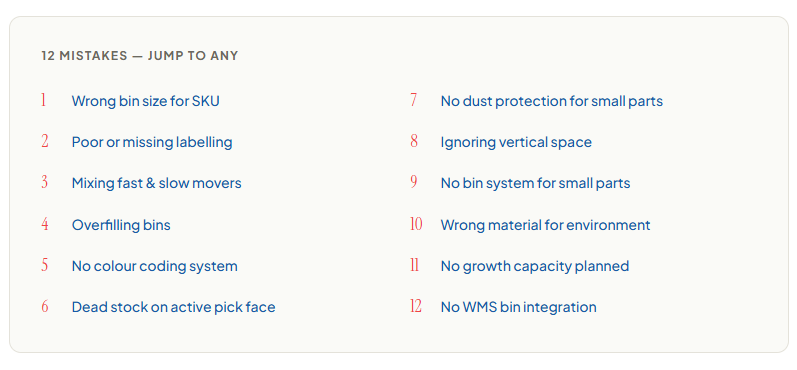
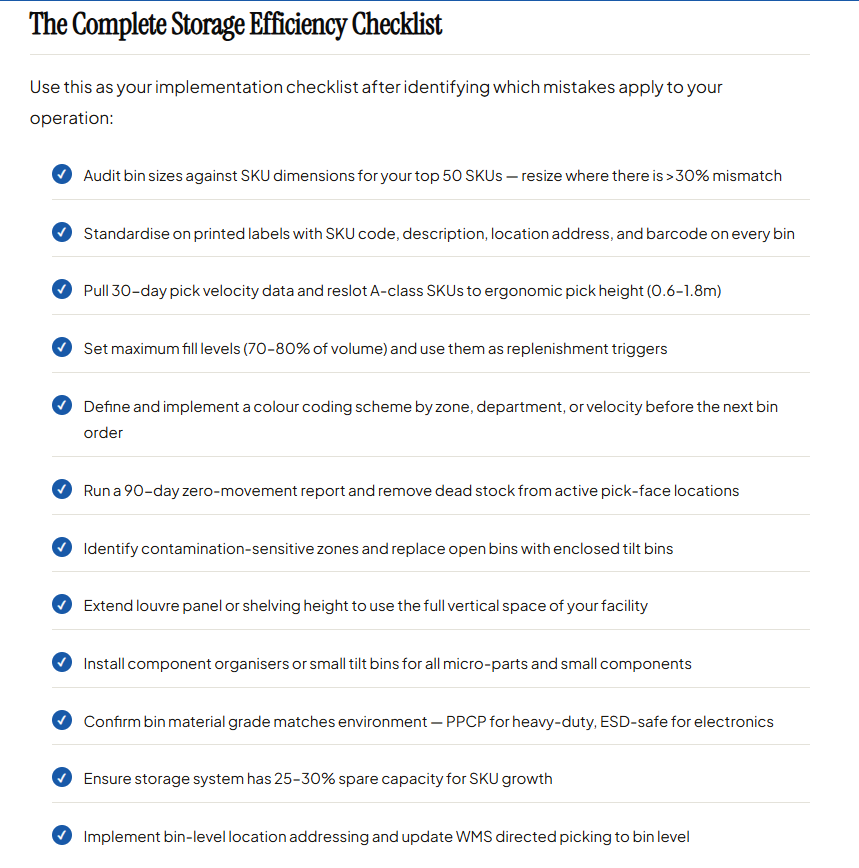
After 40 years of supplying storage solutions to Indian warehouses, factories, hospitals, and distribution centres, Alkon Plastics has seen the same problems repeated across thousands of facilities. The good news: the most damaging warehouse storage mistakes are not complicated to fix. The bad news: most operations don't realise how much they're losing until they measure it. This guide names the 12 most common mistakes and gives you the fix for each one.
1. Wrong Bin Size For SKU
Solution: Use properly sized industrial bins based on SKU dimensions to maximize storage efficiency and improve accessibility.
2. Poor Or Missing Labelling
Solution: Implement clear and consistent labelling systems to improve item identification and reduce search time.
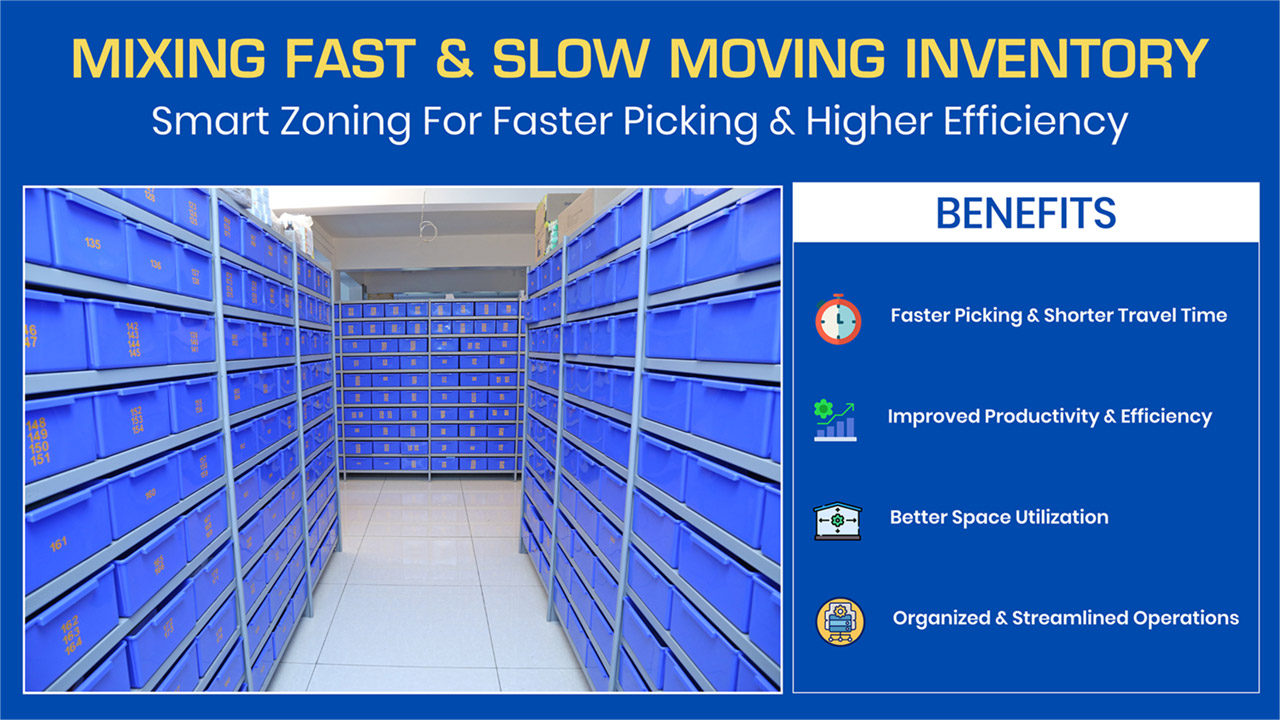
3. Mixing Fast & Slow Moving Inventory
Solution: Store fast-moving inventory in easily accessible areas and place slow-moving items in secondary storage zones.
4. Overfilling Storage Bins
Solution: Avoid overloading bins and maintain proper fill levels to prevent product damage and improve easy handling.
5. No Colour Coding System
Solution: Use colour-coded bins or labels to separate product categories, departments, or priority items clearly.
6. Dead Stock In Active Pick Area
Solution: Move slow-moving or dead stock to secondary storage areas to keep active picking zones free and efficient.
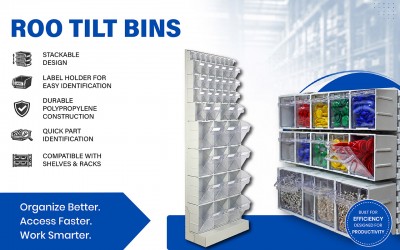
7. No Dust Protection For Small Parts
Solution: Closed storage solutions to protect small components from dust and contamination.
8. Ignoring Vertical Storage Space
Solution: Use stackable bins, shelving systems, and wall-mounted storage to maximize vertical space without increasing floor area.
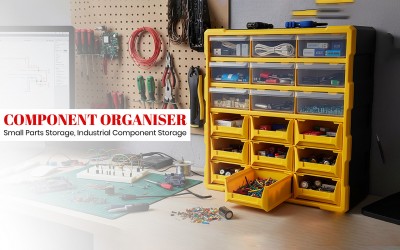
9. No Bin System For Small Parts
Solution: Organize small parts in dedicated bins or drawer systems to improve visibility, separation, and faster access.
10. Wrong Material For Environment
Solution: Select bins made from suitable material based on load, temperature, chemical exposure, and industrial usage conditions.
11. No Growth Capacity Planning
Solution: Choose scalable storage systems that can expand as inventory volume and warehouse requirements grow.
12. No WMS Bin Integration
Solution: Link bin locations with your warehouse management system to improve tracking, stock accuracy, and picking efficiency.
Frequently Asked Questions
What are the most common warehouse storage mistakes?
The most common warehouse storage mistakes are using the wrong bin sizes for SKU dimensions, poor or missing labelling, ignoring vertical storage space, mixing fast and slow-moving SKUs on the same pick face, failing to protect small parts from dust contamination, and not planning for SKU growth. Each of these directly increases picking time, error rates, and operating cost — and all are fixable without large capital investment.
How do I improve storage efficiency in my warehouse?
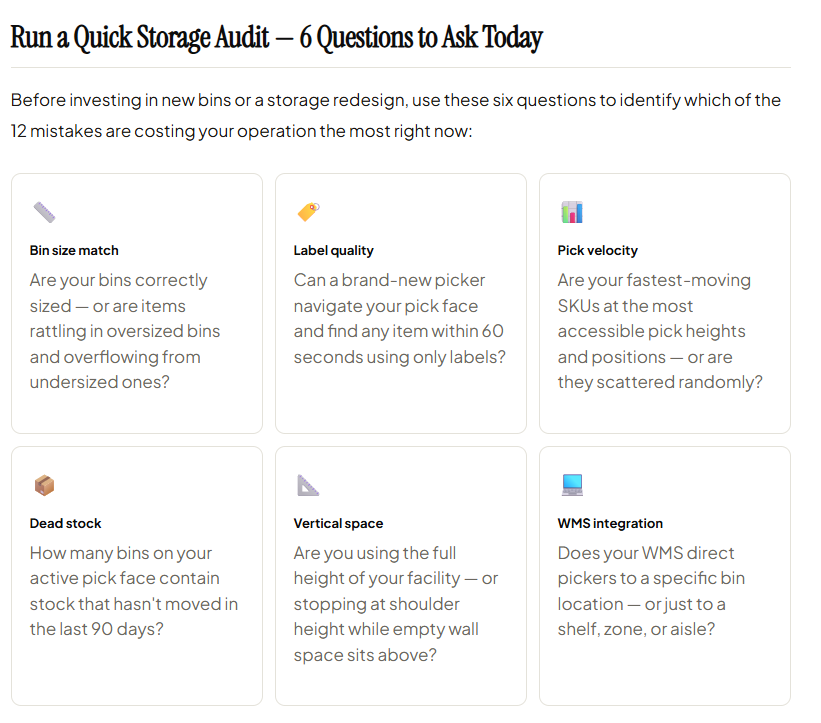
Start with three high-impact, low-cost fixes: implement consistent bin labelling with location addresses and barcodes, apply ABC slotting to place fast-movers at ergonomic pick height, and remove dead stock from active pick-face locations. These three changes alone typically deliver a 15–20% improvement in pick time within 30 days. Then address bin sizing, vertical space, and WMS integration for further gains.
What is the best storage bin for warehouse use in India?
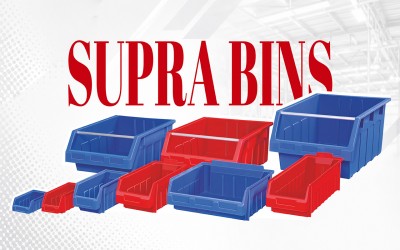
For most Indian warehouses, PPCP open-front shelf bins on louvre panel systems offer the best combination of storage density, pick speed, durability, and WMS compatibility. Alkon Supra Bins (SB1–SB8) are the most widely used warehouse bin in India, covering the full SKU size range from small components to large packaged goods on a single standardised system compatible with all major Indian WMS platforms.
How much does fixing warehouse storage mistakes cost?
Most of the 12 fixes described in this guide are either free (process changes like ABC slotting, dead stock removal, label standardisation) or involve replacing existing bins with correctly-sized or correctly-specified alternatives. For a 500-bin warehouse, a full bin audit and replacement of incorrectly-sized bins typically costs less than the labour waste those bins create in a single month.